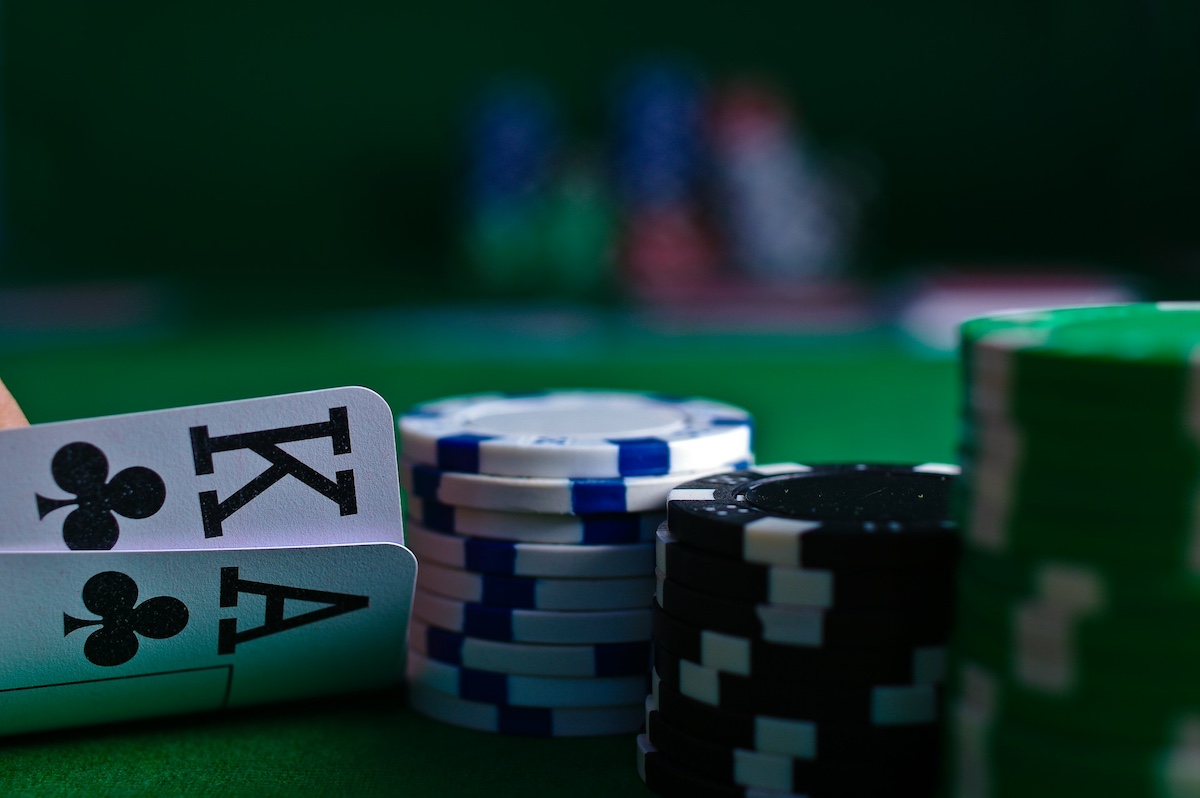
Most home poker rooms come from converting existing space rather than from new construction. The dining room that hosts Thanksgiving dinner once a year is empty most of the rest of the time. The basement rec room plays Netflix on three weekends a month. The spare bedroom serves as a catchall for storage that could fit in a closet. Any of those spaces becomes a competent poker room with a few targeted purchases and no construction at all. The total budget for a serviceable setup is $400 to $1,500, and the work takes a single afternoon. The decisions that matter come down to the room choice, the table, the seating, and the lighting plan that works with what is already wired into the ceiling.
Room Selection From Existing Space
The dining room is the most common choice. The footprint is at least 12 by 14 feet, the floor is already hard surface, and the lighting is centered over the table in a way that maps directly to poker use. The trade-off is reclaiming the space for family meals on hosting nights, which only matters in households that use the dining room weekly.
Basement rec rooms work for households that prefer to keep the table set up permanently. The acoustic separation from the rest of the house is better, and overnight cleanup is optional rather than expected. Spare bedrooms work for groups capped at six players. The room is usually smaller than 10 by 12 feet, which limits the table size, but the door closes on the night without disrupting anyone else in the house.
Pre-Setup Clearing and Prep
The room needs three things cleared before the table arrives. Floor space underneath. Wall space behind the seating positions for chairs to push back. Storage capacity for everything currently stored in the space and needs a temporary or permanent new home.
The clearing usually takes an hour. Rugs come up if the floor is already hard surface, which produces a better chair-roll motion and a quieter table during play. Anything fragile on shelves at chair-height comes down for the duration of the session. Curtains stay if the room has them, since they soften the room’s acoustic response and reduce echo across the table.
The Table Decision
A 72-inch oval seats six players comfortably and fits inside a 10 by 12 foot room. An 84-inch oval seats eight and fits inside a 12 by 14. A 96-inch oval seats ten and needs the full 14-foot dimension at a minimum. Folding poker tables cost $150 to $400 and can be stored against a wall between sessions. Permanent tables with hardwood frames cost $800 to $3,000 and stay in place.
The folding option is the right choice for a converted dining room. The permanent option is the right choice for a basement or spare bedroom that will not need to revert between sessions. Either option comes with a padded rail along the edge, which is the only feature that consistently matters for player comfort across long evenings. The choice to play texas holdem or rotate through pot-limit Omaha and stud variants changes nothing about the table choice. The same felt and the same dealer button work for any flop-based or stud-based game using a standard 52-card deck.
Seating for Long Sessions
The chairs from the dining set will not survive a six-hour session. Hard wooden seats with no lumbar support produce visible discomfort by hour three, which shows up in player engagement and bet sizing well before anyone complains. The fix is one of two options. Folding poker chairs with foam padding and casters cost $80 to $150 per chair. Office chairs with adjustable lumbar support cost more per chair but last for years across other uses in the house.
For a temporary converted room, the folding chairs make sense. For a permanent setup, the office-chair approach pays off across multiple sessions. The total seating budget for an eight-player room is $640 to $2,400, depending on the choice.
Lighting Without Renovation
The lighting plan works with what is already installed in the ceiling. Most dining rooms have a chandelier or pendant fixture directly over the table location, which is exactly what a poker room needs. The fixture stays. The bulbs come out and get replaced with warm-temperature LEDs at 2700K to 3000K, which is the same range used for residential living spaces. The fixture itself gets a dimmer switch added at the wall plate, which is a $25 part and a 15-minute installation that requires no electrician.
If the existing fixture is too bright or too cold, a plug-in floor lamp positioned in the corner of the room handles ambient lighting at a lower output. A second lamp on a sideboard or buffet handles the social-zone lighting where players step away from the table for drinks. The combined lighting setup costs $80 to $200 and produces the same atmospheric result that a $2,000 custom installation would deliver.
Chips, Cards, and Accessories
A 500-piece chip set covers a six-handed game. A 1,000-piece set covers eight to ten players with three buy-ins each. Clay or ceramic chips cost $200 to $800, depending on quality. Plastic dot chips cost $30 to $80 and produce a noticeably lighter sound on the felt that some hosts prefer for sound control in shared houses.
Two decks per table is the standard. Plastic cards cost $15 to $30 per deck and last for years. Paper cards cost $5 per deck and need replacement after every twenty sessions or so. A dealer button, a cut card, and a small chip rack round out the accessory list at another $25 to $50 total. Modern American decks include two jokers, a feature added in the 19th century when the Joker card was first put on the standard 52-card deck. The full accessory budget for a hosting setup is $300 to $1,000, depending on chip quality.
The First-Night Checklist
Before the first session, the converted room needs a final walkthrough. The table is in position with three feet of clearance on every side. The chairs are at the table with the lumbar adjustment set for the typical player height. The lighting is at the level the host wants for the session, which is usually around 60% of full brightness on the dimmer. A side table holds water and snacks within reach of the dealer. A trash basket is within reach of the table to catch wrappers and napkins. The chips are racked at the dealer position with denominations sorted. Two decks are face-down at the cut position. The cards are sealed if the host wants to signal a clean start. The host steps back, checks the room from the entry door, and adjusts anything that catches the eye. The whole walkthrough takes ten minutes. The first hand comes when the last guest sits down.