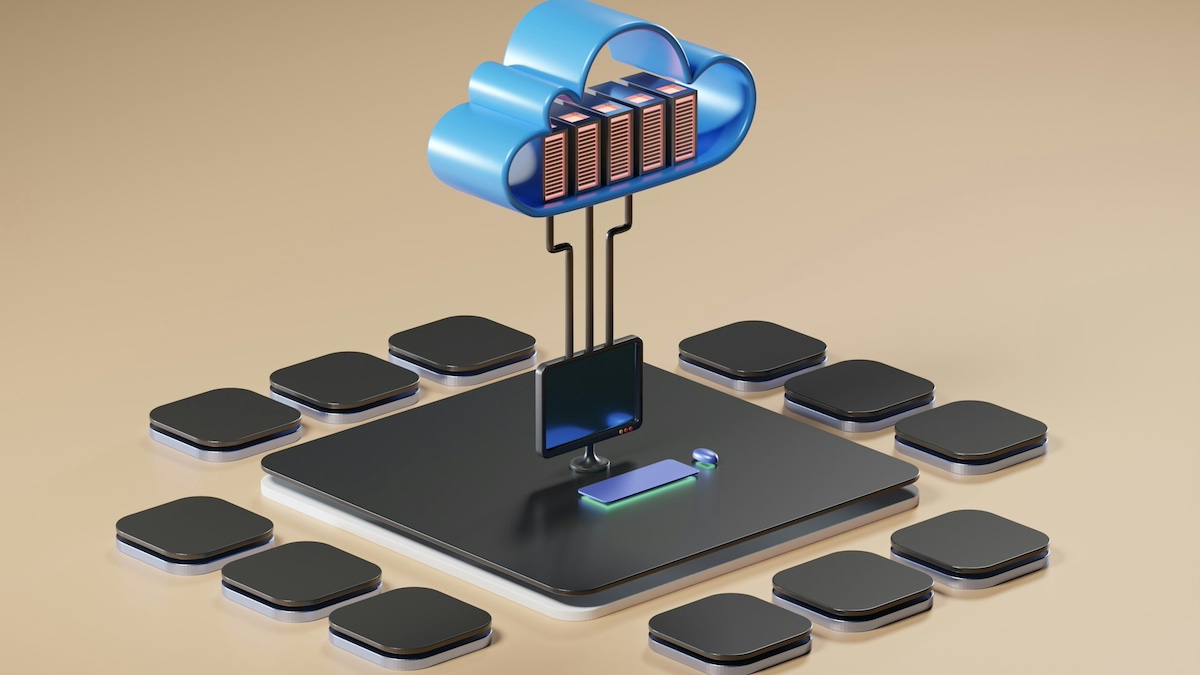
A decade ago, hotel software lived on local servers and office computers. Access was limited to specific machines, updates were slow, and technical problems often required on-site fixes. Staff were tied to physical locations and daily operations could be disrupted by minor system failures. Today, cloud-based systems have changed the way hospitality businesses operate, offering flexibility, efficiency, and resilience that traditional setups struggle to match.
Freedom to work from anywhere
Cloud technology removes physical boundaries and allows staff and management to access operations from anywhere in the world. Managers can monitor room availability, adjust pricing, or review reports without being physically present.
This accessibility encourages faster decision-making and enables business owners to stay informed even during travel or when managing multiple properties. For international hotel chains or growing boutique properties, this remote access ensures that operations remain smooth, consistent, and responsive to changing circumstances.
Always updated without disruption
One of the key strengths of online platforms is continuous improvement and automatic updates. Security patches, new features, and performance enhancements are delivered without interrupting daily operations.
Hotels no longer need to schedule downtime for manual software installations, which often create delays and confusion. Automatic updates ensure that every employee works with the latest tools and information, allowing teams to respond to guest needs more efficiently and to maintain a high level of service without disruption.
Scalability built for growth
As hospitality businesses expand, their operational systems must grow with them. Cloud-based solutions allow properties to easily add new rooms, users, or even entire locations without needing to rebuild existing infrastructure.
This scalability is especially useful for small hotels that plan to grow or for large chains that manage multiple properties simultaneously. Cloud platforms provide the flexibility to adjust resources according to seasonal demand, new bookings, or changes in staffing, supporting growth while minimizing technical complexity.
Security and reliability in the background
Online systems often raise questions about data safety, but cloud platforms such as https://grandsystems.com/en/ typically provide a higher level of protection than traditional on-site servers.
Encryption, secure backups, and continuous monitoring ensure that sensitive guest information is protected. These measures are maintained by teams of experts, reducing the risk of data loss, hacking, or system failures. Reliable cloud infrastructure allows staff to focus on delivering excellent service rather than worrying about technical issues or system crashes.
Lower costs with predictable spending
Cloud-based models generally operate on subscription pricing, replacing large upfront investments with predictable monthly fees. Maintenance, updates, and technical support are included, which simplifies budgeting and reduces unexpected expenses.
This financial model makes advanced technology accessible to smaller hotels and allows larger properties to scale without significant capital investment.
People first technology
Cloud systems succeed only when they support staff. Interfaces are intuitive and consistent, which makes training faster and reduces stress during busy periods. Teams can focus on guests rather than administrative tasks.
Managers gain oversight without constant intervention. This balance allows technology to support service without replacing it, creating smoother operations and better experiences for guests.