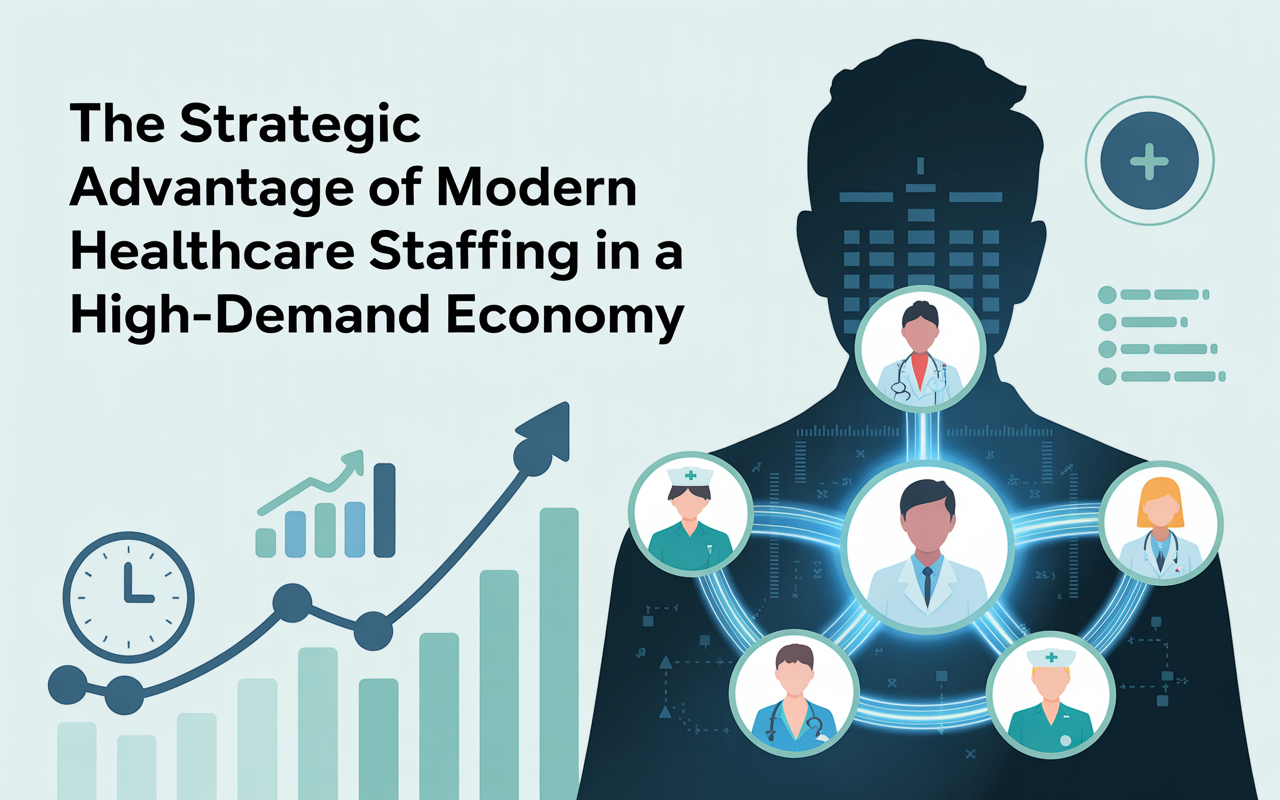
Healthcare organizations today face a perfect storm of challenges. An aging population requires more care than ever before. Burnout among existing staff continues to climb. Rural and underserved areas struggle to attract qualified professionals. Meanwhile, the competition for talent has never been fiercer, with facilities across the country vying for the same limited pool of nurses, physicians, and allied health professionals.
Traditional recruitment methods simply cannot keep pace. Posting a job opening and hoping the right candidate appears might have worked a decade ago, but in today’s market, that approach leaves critical positions unfilled for months. Every day a role remains vacant creates a ripple effect: remaining staff shoulder heavier workloads, patient care suffers, and the risk of additional departures increases.
A Smarter Approach to Workforce Solutions
This is where modern healthcare staffing becomes not just helpful, but strategically essential. Organizations that partner with specialized staffing firms like CompHealth gain access to extensive networks of pre-vetted professionals who are actively seeking opportunities. These partnerships transform the hiring process from a reactive scramble into a proactive strategy.
The advantages extend far beyond simply filling empty slots. Specialized staffing agencies maintain relationships with thousands of healthcare professionals across all specialties and experience levels. They understand the nuances of credentialing, licensing requirements across different states, and the specific cultural fits that make placements successful rather than merely adequate.
Flexibility as a Competitive Edge
The most forward-thinking healthcare organizations recognize that workforce flexibility is now a strategic imperative. Market demands fluctuate. Patient volumes shift with seasons and demographic changes. New service lines require specialized expertise that may not justify permanent positions.
Modern staffing solutions provide the agility to scale up or down without the long-term commitments and financial risks of traditional hiring. Temporary and locum tenens placements allow organizations to maintain optimal staffing levels during peak periods, cover unexpected absences, and pilot new programs without overextending their permanent workforce budgets.
This flexibility also serves as a valuable retention tool. When permanent staff know that temporary professionals will provide backup during busy periods, they experience less burnout and feel more supported by their employers. The result is a more stable, satisfied permanent workforce.
The Financial Calculus
At first glance, partnering with staffing agencies might seem more expensive than direct hiring. However, the true cost comparison tells a different story. Consider the expense of a prolonged vacancy: lost revenue from services not provided, overtime costs for existing staff, recruitment advertising, and the administrative burden of managing the hiring process internally.
Add to this the risk of a bad hire. When an organization rushes to fill a critical position, the likelihood of selecting someone who ultimately does not work out increases dramatically. The costs of turnover, including separation expenses, lost productivity, and restarting the recruitment process, can easily exceed six months of salary for that position.
Staffing partners mitigate these risks through thorough vetting processes and, often, performance guarantees. They absorb much of the financial risk associated with placement, allowing healthcare organizations to focus resources on their core mission of patient care.
Building for Tomorrow
The healthcare landscape will only grow more complex. Organizations that view staffing as a strategic function rather than a necessary evil position themselves to thrive regardless of market conditions. By combining permanent employees with flexible staffing solutions, they create resilient workforce models capable of adapting to whatever challenges emerge.
The question is not whether to engage with modern staffing solutions, but how quickly your organization can leverage them to secure competitive advantage in an increasingly demanding marketplace.