Nurses play a key role within the US healthcare sector. They are the single largest cohort of healthcare providers, with over 189,000 job openings projected for registered nurses each year until 2034. The demand for their services has continued to grow due to an aging US population that typically has a higher rate of medical conditions requiring care, as well as to help replace workers who transition to different occupations or exit the labor force to retire. In short, nurses form the backbone of the healthcare sector.
Why nurses are turning to MSN FNP online programs
Family nurse practitioners are advanced practice nurses who have focused their speciality training on caring for patients of all ages, from infants to adults, right through to senior citizens. Family nurse practitioners can manage both acute illnesses and chronic conditions, while also focusing heavily on health promotion, disease prevention, and patient education. They can diagnose illness, order and interpret medical tests, prescribe medication, refer to specialists, and develop treatment plans. Family nurse practitioners assume a significant amount of responsibility, and as a result, they are often the first point of contact for families, playing a pivotal role in the entire healthcare system.
In 2010, the Institute of Medicine (IOM) called out the need for greater education across nurses to address both healthcare reform initiatives and improve healthcare outcomes, including family nurse practitioners. In the decade since the report, nurse educators have faced significant challenges while attempting to achieve this goal, and the move to baccalaureate education has lagged. Enter online learning.
Programs like an MSN FNP online prepare and assist healthcare professionals in becoming family nurse practitioners and delivering better patient outcomes, particularly as primary care access becomes increasingly strained. Evidence supported online education as a viable solution to the nursing crisis. Online nursing courses provide the same benefits as any other online learning, which can assist in increased intake and completion rates. Other benefits that help address traditional barriers to completing the required nursing education include:
Flexibility and convenience: Students can learn anytime, anywhere, while working nurses can fit further education around shifts, family, and other commitments.
Reduced costs: Online learning reduces expenses for students through eliminating commuting and parking costs, and potentially lower tuition fees when compared to traditional learning programs.
Accessibility: Online courses open doors for nurses or budding nurses in remote areas or communities who would otherwise have to relocate to complete their education.
Tailored courses: Education can become more niche in online forums, allowing access to specialized certifications or degrees, and advanced learning in specific fields like leadership.
Personalized learning: Through different digital tools like Virtual Reality (VR) or Artificial Intelligence (AI), online courses can provide more engaging learning experiences that are personalized to an individual’s needs, resulting in higher engagement with the coursework and higher graduation rates.
Currently, there are a reported 614 online nursing programs available in the US, offering undergraduate, master’s, and doctoral degrees.
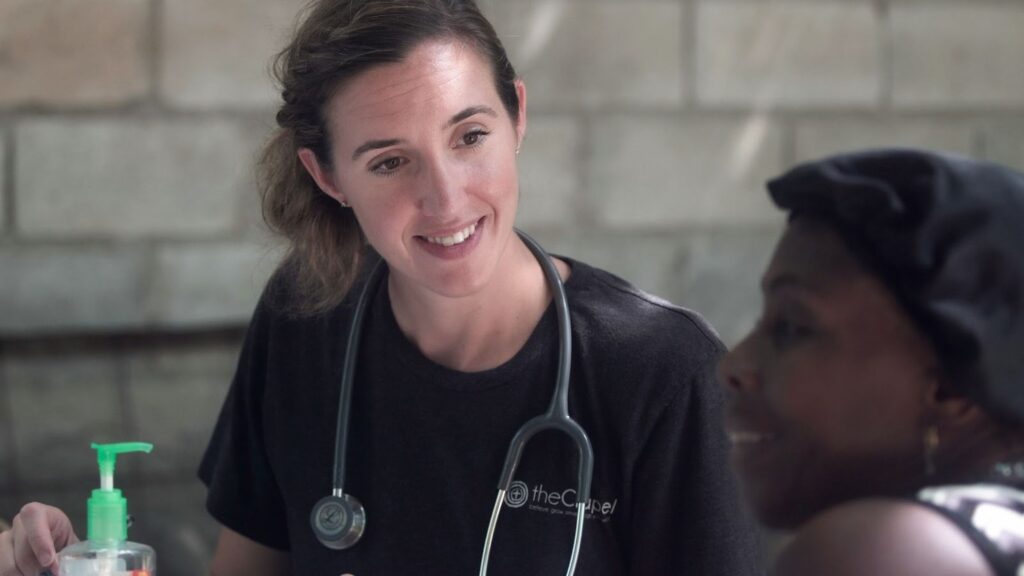
Online courses can help address the need for greater education among nurses. Photo by TopSphere Media on Unsplash.
What factors should you consider before choosing an online MSN FNP program?
Virtual learning is a different ballgame when compared to more traditional face-to-face classrooms. The rapid transition to online content delivery meant email, message boards, instant messaging, online classrooms via Zoom or Teams platforms, and chat rooms fast became the norm, while traditional content delivery methods no longer cut it. Because of this shift, a new set of educational best practices for online learning has emerged.
Course presentation
Course presentation criteria provide the structure needed to design, develop, and present course material. A well-prepared course presentation will ensure students understand the purpose of the course and help define expectations for outcomes. Information should be presented in clear and concise ways, and when done so online, should involve technologies that facilitate engagement, such as video conferencing.
When searching for an online MSN FNP Program or other nursing degree, it is important to review the materials and method of delivery to ensure it suits students’ differing needs.
Instructor presence
Instructor presence in the role of an active facilitator is a pivotal component of a successful and engaging online course. It encourages students to make a personal connection and take part in class discussions, and is directly related to student satisfaction. Evidence also shows that responses to questions or queries should always be made within 24 hours and no later than 48 hours, and students should be able to contact an online instructor in several different ways, including email, video chat, phone, or online chat.
Understanding whether there will be a live facilitator for the course before starting can help ensure a student gets the most from an online course.
Assessment and measurement
Just like brick-and-mortar educational establishments, a clear grading system will help students understand the evaluation system. This should be easily accessible online to ensure students have a way to track their progress and review deadlines, and instructors should be available to provide additional feedback on results if requested.
Reviewing the assessment methodology before enrolling can help avoid surprises down the line.
The future of online learning and nursing
With the looming nursing shortage, projections showing an increased demand for nurses across the next ten to fifteen years, and a demand for baccalaureate-prepared nursing, there is a strong case that demand for online nursing education will not only continue, but increase.
As technology continues to influence modern healthcare, it is vital that the digital health education in nursing remains of a high quality and continues to adhere to online learning best practices. These practices offer a roadmap for online teaching to ensure students are equipped with the necessary knowledge and skills needed to provide safe and quality nursing care, with the ultimate goal to achieve better patient outcomes across the board and address growing workforce needs.